科技与创新,未来发展的新方向
在科技与创新的Intersection中,我们看到了一场前所未有的科技创新革命,这场革命不仅推动了传统行业的变革,还引领了整个社会的未来发展方向,通过深入探索科技与创新的互动,我们能够更好地把握未来发展的新机遇,为人类文明注入新的活力。
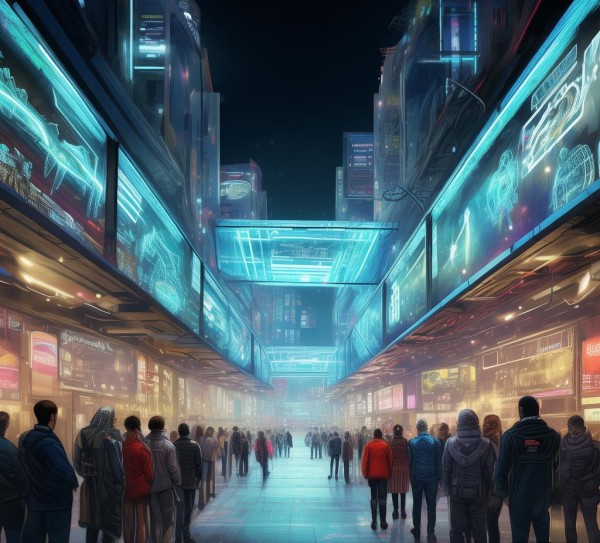
Technology and innovation are the driving forces behind societal progress, especially in an era where information is abundant and unprecedented opportunities for creativity and progress are available. In this context, we will explore the intricate relationship between technology and innovation, examining both their strengths and challenges as we navigate the future.
The Collision Between Technology and Innovation
Technology and innovation have long been intertwined, with technology providing the foundation for innovation and innovation driving technological advancements. In the digital age, this relationship has become even more dynamic, as technology itself serves as the innovation catalyst. For instance, the rise of artificial intelligence (AI) has redefined how we process, analyze, and generate information, offering new possibilities for problem-solving and creativity. However, the intersection of technology and innovation is not without its challenges. As technology evolves, there is a growing need to balance its efficiency with the pursuit of meaningful innovation, as the future lies in a harmonious union of both forces.
The Synthesis of Technology and Innovation: Toward Social Progress
The synthesis of technology and innovation is crucial for achieving social progress, as it allows us to address complex challenges and create meaningful solutions. In a world where technology is pervasive, innovation must adapt to meet the demands of a rapidly changing society. For example, the development of clean energy technologies has not only improved the environment but also created new job opportunities for those who can innovate in the renewable energy sector. Similarly, advancements in healthcare, such as personalized medicine, have improved access to quality of life and created new career paths for those who can contribute to research and development.
However, the pursuit of innovation in this context often requires a balance between technology and creativity. As the world seeks to improve its conditions, it must ensure that technological advancements are not only efficient but also aligned with the needs of society. This requires a nuanced approach to blending technology with human creativity, as both are essential for driving progress and ensuring that innovation is both productive and meaningful.
The Double-edged Side of Technology and Innovation:带来机遇与挑战
While technology and innovation are vital for progress, they also come with significant challenges. The rapid pace of technological advancement often leads to the creation of new opportunities, but it also raises concerns about the potential for over-reliance on technology. As technology evolves, it becomes increasingly difficult to maintain the balance between efficiency and innovation, as the need for creative problem-solving grows. For instance, the exponential growth of digital platforms has created vast opportunities for innovation, but it has also led to the erosion of traditional methods of business and social interaction.
Moreover, the pursuit of innovation often requires a willingness to adapt and experiment with new approaches, as the world is constantly changing and challenging. This adaptability is not something that technology alone provides, but rather something that arises from a culture of innovation that values trial and error. In this way, technology and innovation together create a powerful force for shaping the future, but they also demand a willingness to navigate the complexities of change.
The Future of Technology and Innovation: Creating the Human Future
Looking ahead, the future of technology and innovation is one of immense promise, but it also presents significant challenges. The rise of AI, for example, has the potential to transform industries and improve lives in ways that are both exciting and risky. However, as technology continues to advance, it is essential to ensure that it is used responsibly and in ways that align with the values of human society. This requires a commitment to ethical innovation, as well as a willingness to address the ethical dilemmas that may arise from rapid technological change.
Similarly, the development of new technologies, such as biotechnology or quantum computing, has the potential to create entirely new possibilities for human achievement. However, these technologies must be developed with a deep understanding of their limitations and the needs of society. As we work to harness the power of technology, it is essential to maintain a focus on innovation that is both practical and meaningful, ensuring that the technologies we develop contribute to the well-being of humanity as a whole.